
Delving into the realm of women’s health, this exploration of Healthcare Providers for Women’s Health sheds light on crucial aspects affecting women’s well-being. From access challenges to diverse provider networks, embark on a journey of understanding and empowerment in the realm of healthcare.
Healthcare Access
Access to healthcare is crucial for women’s health as it allows for the prevention, early detection, and treatment of various medical conditions. It ensures that women can receive the necessary care to maintain their overall well-being and quality of life.
Barriers to Healthcare Access for Women
- Financial constraints: Limited income or lack of health insurance can prevent women from seeking medical attention.
- Geographical barriers: Living in remote or underserved areas can make it difficult for women to access healthcare facilities.
- Cultural and social factors: Stigma, discrimination, or lack of awareness about healthcare services can deter women from seeking help.
- Lack of transportation: Women may face challenges in reaching healthcare facilities due to lack of transportation options.
Impact of Limited Healthcare Access on Women’s Well-being
- Delayed diagnosis and treatment: Limited access to healthcare can result in delayed diagnosis of medical conditions, leading to poorer health outcomes.
- Increased health risks: Women with limited access to healthcare are more vulnerable to developing serious health issues due to lack of preventive care.
- Decreased quality of life: Without proper healthcare access, women may experience a lower quality of life and reduced overall well-being.
Healthcare Costs
Accessing healthcare can be financially challenging for many women, impacting their ability to receive necessary medical services.
Financial Challenges
Women often face high healthcare costs due to various factors such as lack of insurance coverage, high deductibles, and out-of-pocket expenses.
Preventive Care vs. Treatment Costs
Preventive care, such as regular check-ups and screenings, is often more cost-effective than treating advanced health issues. Early detection through preventive care can help reduce overall healthcare costs for women.
Implications on Women from Different Socioeconomic Backgrounds
The high healthcare costs can disproportionately affect women from different socioeconomic backgrounds. Women with lower income levels may struggle to afford necessary healthcare services, leading to delayed or inadequate treatment. On the other hand, women from higher-income brackets may face financial strain due to costly medical procedures or treatments not fully covered by insurance.
Healthcare Providers
Women’s health requires specialized care from various healthcare providers. Let’s explore the roles and importance of different types of healthcare professionals in women’s healthcare.
Types of Healthcare Providers
- Gynecologists: Gynecologists are medical doctors who specialize in women’s reproductive health. They provide preventive care, diagnose and treat conditions such as menstrual disorders, infertility, and menopause.
- Obstetricians: Obstetricians focus on pregnancy, childbirth, and postpartum care. They monitor the health of both the mother and the developing baby, and provide guidance throughout the pregnancy journey.
- Primary Care Physicians: Primary care physicians play a crucial role in women’s health by providing routine check-ups, screenings, and managing overall health needs.
- Women’s Health Nurse Practitioners: Nurse practitioners specializing in women’s health provide comprehensive care, including performing exams, prescribing medications, and educating patients on health issues.
Importance of a Diverse Healthcare Provider Network
Having a diverse and inclusive healthcare provider network is essential for women to receive culturally competent care that meets their unique needs. Women come from diverse backgrounds and may have different health concerns or preferences. A diverse healthcare provider network ensures that women have access to professionals who understand their cultural beliefs, language, and specific health challenges, leading to improved health outcomes and patient satisfaction.
Health Insurance
Health insurance coverage plays a vital role in ensuring that women have access to the necessary healthcare services they need. It provides financial protection against high medical costs and allows women to seek preventive care, screenings, and treatments without worrying about the financial burden.
Different Health Insurance Plans for Women
- Employer-Sponsored Health Insurance: Many women receive health insurance coverage through their employer, which often includes a range of benefits and coverage options.
- Private Health Insurance Plans: Women can also opt for private health insurance plans that offer different levels of coverage and benefits tailored to their specific needs.
- Medicaid: Medicaid provides health insurance coverage for low-income individuals, including many women who may not have access to other insurance options.
- Medicare: Women aged 65 and older can benefit from Medicare, which covers a variety of healthcare services, including hospital stays, doctor visits, and prescription drugs.
Impact of Lack of Health Insurance on Women
The lack of health insurance can have a significant impact on women’s access to quality healthcare services. Without insurance, women may delay or forgo necessary medical care, leading to worsened health outcomes and higher healthcare costs in the long run. Women without insurance are also less likely to receive preventive care and screenings, increasing their risk for undiagnosed health conditions.
Health Policies
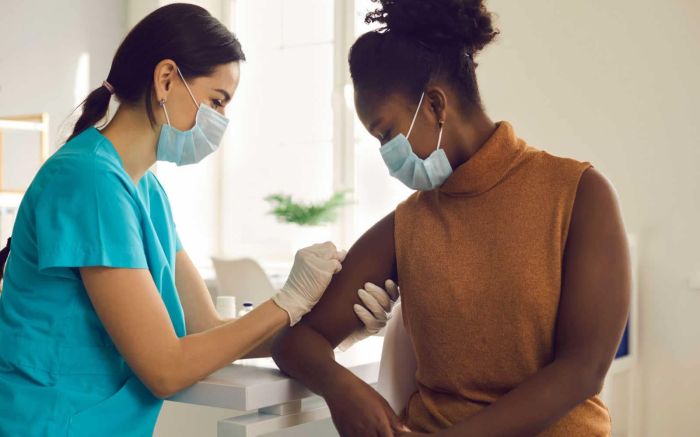
Health policies play a crucial role in determining women’s access to healthcare services, impacting their overall well-being and quality of life. These policies can shape the availability, affordability, and quality of healthcare services specifically tailored to women’s needs.
Current Health Policies Impacting Women’s Access to Healthcare
- Maternal health policies: These policies focus on improving maternal health outcomes, ensuring access to prenatal care, safe delivery services, and postnatal support for women.
- Reproductive health policies: Policies related to reproductive health cover a wide range of services, including family planning, contraception, and sexual health education.
- Breast and cervical cancer screening policies: These policies aim to increase access to screening services for breast and cervical cancer, leading to early detection and timely treatment.
Initiatives to Improve Healthcare Policies for Women
- Gender-specific healthcare programs: Implementing programs that address the unique healthcare needs of women, such as menopause management, osteoporosis prevention, and gynecological services.
- Advocacy for women’s health rights: Supporting initiatives that advocate for women’s health rights, including equal access to healthcare services, reproductive rights, and gender equality in healthcare settings.
- Research and data collection: Investing in research to gather data on women’s health outcomes and healthcare utilization, informing policy decisions and resource allocation.
Role of Government Regulations in Shaping Women’s Healthcare Services
- Regulation of healthcare providers: Government regulations ensure that healthcare providers adhere to standards of care, including guidelines for women’s health services and protocols for screening and treatment.
- Funding allocation: Government policies determine the allocation of funding for women’s health programs, influencing the availability of resources for preventive care, treatment, and support services.
- Laws protecting women’s health rights: Legislation plays a critical role in protecting women’s health rights, such as access to reproductive healthcare, privacy in medical settings, and non-discrimination based on gender.
Health Records
Maintaining accurate health records for women is crucial in providing quality healthcare tailored to their specific needs. These records contain vital information about a woman’s medical history, treatments, medications, and diagnoses, allowing healthcare providers to make informed decisions about her care.
Benefits of Electronic Health Records
Electronic health records (EHRs) offer numerous advantages in women’s healthcare. They provide a centralized and easily accessible platform for storing and retrieving patient information, promoting seamless communication between healthcare providers. EHRs also reduce the risk of errors associated with paper records and enable quick access to critical data in emergency situations.
Contribution to Personalized Healthcare
Health records play a significant role in tailoring healthcare services to meet the individual needs of women. By analyzing a woman’s health history documented in her records, healthcare providers can identify trends, risk factors, and personalized treatment plans. This personalized approach leads to better health outcomes and improved patient satisfaction.
Health Screening
Regular health screenings play a crucial role in maintaining women’s health by detecting potential issues early on. These screenings help in identifying risk factors and diseases before they progress, allowing for timely intervention and treatment.
Common Health Screenings for Women
- Mammograms: Recommended for women aged 40 and older to screen for breast cancer.
- Pap Smears: Typically started at age 21 to detect cervical cancer or abnormal cells.
- Blood Pressure Checks: Important for monitoring heart health and detecting hypertension.
- Bone Density Tests: Recommended for postmenopausal women to check for osteoporosis.
- Cholesterol Tests: Helpful in assessing heart disease risk and overall cholesterol levels.
- Colonoscopy: Starting at age 50, this screening helps detect colorectal cancer.
Role of Early Detection
Regular health screenings are essential in catching health issues at an early stage when they are most treatable. Early detection through screenings can significantly increase the chances of successful treatment and improve overall health outcomes for women.
In conclusion, navigating the landscape of healthcare providers for women’s health unveils the intricate web of access, costs, policies, and screenings that shape the well-being of women worldwide. By fostering inclusivity and awareness, we pave the way for a healthier future for all.
Common Queries
How do healthcare access barriers impact women’s well-being?
Healthcare access barriers can lead to delayed treatments, poorer health outcomes, and increased healthcare disparities among women.
What are the financial challenges women face in accessing healthcare?
Financial challenges can include high out-of-pocket costs, lack of insurance coverage, and limited access to affordable healthcare services.
Why is it important to have a diverse healthcare provider network for women?
A diverse provider network ensures cultural competence, personalized care, and improved access to healthcare services for women from different backgrounds.
How do health policies impact women’s access to healthcare?
Health policies can influence funding, service delivery, and preventive care initiatives that directly affect women’s access to quality healthcare services.
What are the benefits of electronic health records in women’s healthcare?
Electronic health records enhance care coordination, improve data accuracy, and enable better communication among healthcare providers for women’s health.


