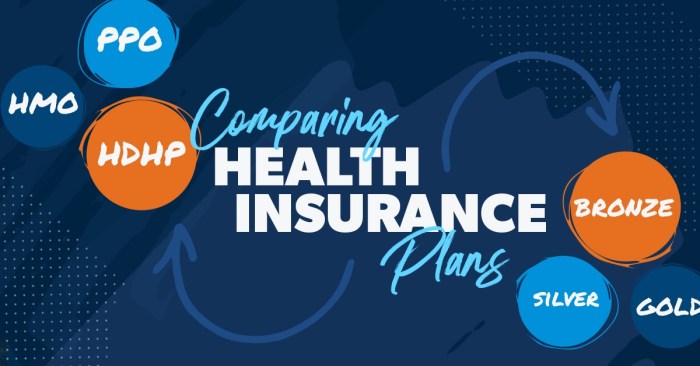
Navigating the complex world of health insurance can be overwhelming. With Health Insurance Comparison Tools at your disposal, finding the right coverage becomes easier and more efficient. From understanding key features to maximizing cost-saving potential, these tools are essential for informed decision-making in healthcare. Let’s dive into how these tools can revolutionize your insurance selection process.
Health Insurance Comparison Tools
Health insurance comparison tools are online resources that allow individuals to compare different health insurance plans offered by various providers. These tools help consumers make informed decisions by providing a side-by-side comparison of key features, costs, coverage options, and more.
Key Features of Reliable Comparison Tools
- Ability to compare multiple plans at once
- Easy-to-use interface
- Up-to-date information on plans and premiums
- Filtering options based on individual needs
- Customer reviews and ratings
Benefits of Using Health Insurance Comparison Tools
- Save time and effort in researching different plans
- Find the best coverage at the most affordable price
- Make an informed decision based on personalized needs
- Access to a wide range of options in one place
- Potential cost savings in the long run
Tips for Effective Utilization
- Know your healthcare needs and budget before starting the search
- Compare not just premiums, but also deductibles, copayments, and coverage limits
- Read customer reviews to gauge overall satisfaction with the plan and provider
- Take advantage of filtering options to narrow down the choices based on your preferences
- Regularly review and update your coverage to ensure it still meets your needs
Healthcare Access
Access to healthcare is a fundamental aspect of maintaining overall well-being, and health insurance plays a crucial role in ensuring individuals can receive necessary medical services. Let’s delve into the significance of healthcare access in relation to health insurance and how comparison tools can help improve access to care.
Barriers to Healthcare Access
- Lack of Insurance Coverage: Without health insurance, individuals may delay or forgo necessary medical treatments due to financial constraints.
- High Out-of-Pocket Costs: Even with insurance, high deductibles and copayments can pose significant barriers to accessing healthcare services.
- Provider Shortages: Limited availability of healthcare providers in certain regions can result in long wait times and difficulties in scheduling appointments.
- Language and Cultural Barriers: Language differences and cultural insensitivity within healthcare settings can hinder effective communication and access to care for diverse populations.
Role of Health Insurance Comparison Tools
Health insurance comparison tools empower individuals to make informed decisions about their coverage options by allowing them to easily compare different plans based on cost, coverage, and provider networks. By facilitating the selection of the most suitable insurance plan, these tools help individuals overcome barriers to access and ensure they have the necessary coverage to seek timely medical care.
Telemedicine in Expanding Healthcare Access
Telemedicine, which involves remote delivery of healthcare services through technology, has emerged as a valuable tool in expanding access to care. By enabling virtual consultations with healthcare providers, telemedicine offers a convenient and efficient way for individuals to receive medical advice and treatment without the need for in-person visits. This can be particularly beneficial for individuals in rural areas or those with mobility limitations, enhancing overall healthcare access and improving health outcomes.
Healthcare Costs
Understanding healthcare costs is crucial when selecting an insurance plan as it directly impacts your out-of-pocket expenses for medical services. By comparing the cost-saving potential of different health insurance plans, individuals can make informed decisions to manage their healthcare expenses effectively. Health insurance comparison tools play a vital role in helping individuals find cost-effective options by allowing them to compare premiums, deductibles, copayments, and coverage benefits across various plans.
Here are some strategies for managing healthcare costs efficiently:
Cost-saving Strategies
- Consider a High-Deductible Health Plan (HDHP) with a Health Savings Account (HSA) to save on premiums and have tax-advantaged savings for medical expenses.
- Utilize in-network providers to take advantage of negotiated rates and avoid out-of-network charges.
- Compare prescription drug coverage to ensure your medications are covered at an affordable cost.
- Take advantage of preventive services covered at no cost under most health insurance plans to avoid costly medical treatments in the future.
- Review your medical bills carefully and question any errors or unexpected charges to avoid overpaying for healthcare services.
Healthcare Providers
Healthcare providers play a crucial role in the context of health insurance by delivering medical services to individuals covered by insurance plans. These providers can include doctors, specialists, hospitals, clinics, and other facilities that offer healthcare services.
Factors to Consider when Evaluating Healthcare Providers within Insurance Networks
When evaluating healthcare providers within insurance networks, there are several factors to consider to ensure you receive quality care and minimize out-of-pocket costs:
- Network Participation: Check if the provider is in-network to maximize your insurance benefits and avoid higher out-of-pocket costs.
- Quality of Care: Research the provider’s reputation, experience, and patient reviews to ensure they meet your standards for quality care.
- Costs and Coverage: Understand the provider’s fees, co-pays, deductibles, and coverage limits to assess the financial impact of choosing a particular provider.
- Location and Accessibility: Consider the provider’s location, office hours, and accessibility to ensure convenience in receiving medical care.
Impact of Provider Choice on Quality of Care and Costs
Your choice of healthcare provider directly impacts the quality of care you receive and the costs associated with your medical treatment. Opting for a provider within your insurance network can result in lower out-of-pocket expenses and streamlined billing processes. On the other hand, choosing an out-of-network provider may lead to higher costs and potential coverage gaps, affecting both the quality of care and your financial burden.
Tips on Finding a Healthcare Provider that Meets Individual Needs
When searching for a healthcare provider that aligns with your individual needs, consider the following tips:
- Seek Referrals: Ask for recommendations from friends, family, or your primary care physician.
- Research Providers: Look into the provider’s credentials, experience, and patient reviews to assess their suitability for your healthcare requirements.
- Consider Communication: Choose a provider with whom you feel comfortable communicating openly about your health concerns and treatment preferences.
- Verify Network Participation: Confirm that the provider is in-network with your health insurance plan to avoid unexpected costs.
Health Insurance Policies
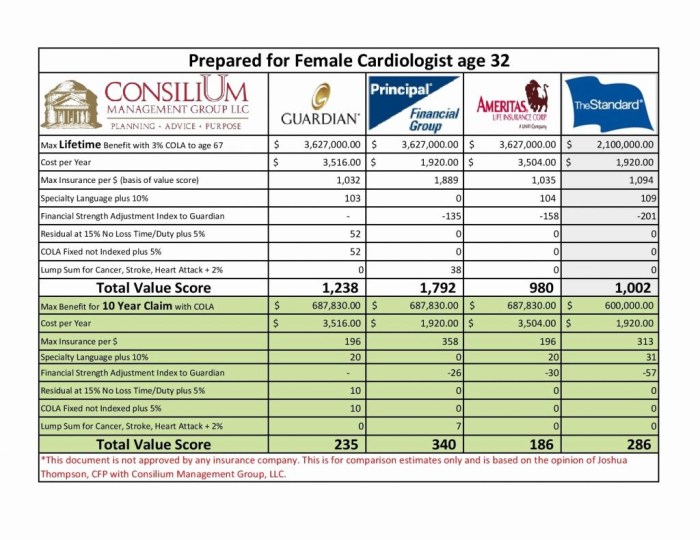
When it comes to health insurance policies, there are several common types available in the market, each with its own coverage and limitations. It is essential to understand these differences to choose the most suitable policy for your healthcare needs. Navigating through policy terms and conditions can be overwhelming, so gaining insights on how to assess and compare policies is crucial.
Types of Health Insurance Policies
- Health Maintenance Organization (HMO): HMO plans typically require members to choose a primary care physician and get referrals to see specialists. They usually have lower out-of-pocket costs but limited provider networks.
- Preferred Provider Organization (PPO): PPO plans offer more flexibility in choosing healthcare providers, both in and out of network. They have higher premiums but lower out-of-pocket costs for out-of-network care.
- Exclusive Provider Organization (EPO): EPO plans are a hybrid between HMOs and PPOs, providing coverage only for in-network care unless it’s an emergency.
- Point of Service (POS): POS plans combine features of HMOs and PPOs, allowing members to choose in-network or out-of-network care. Referrals are usually needed for specialists.
Assessing Suitability of Health Insurance Policies
- Consider your healthcare needs, including any pre-existing conditions or ongoing treatments.
- Evaluate the provider network to ensure your preferred doctors and hospitals are included.
- Compare premiums, deductibles, copayments, and coinsurance to find a balance between cost and coverage.
- Review policy exclusions and limitations to understand what services are not covered.
Navigating Policy Terms and Conditions
- Pay attention to coverage details, including preventive care, prescription drugs, and mental health services.
- Understand the process for filing claims and any pre-authorization requirements for certain treatments.
- Check for any waiting periods for specific treatments or services, especially for pre-existing conditions.
- Seek clarification from the insurance provider or a healthcare advocate if any policy terms are unclear.
Health Records
Maintaining accurate health records is crucial for insurance purposes as they provide a comprehensive history of your health conditions, treatments, and medical expenses. These records play a vital role in determining coverage eligibility, claim processing, and ensuring proper medical care.
Streamlining Access to Health Records
- Health insurance comparison tools can help streamline access to health records by allowing individuals to input their personal information and retrieve relevant medical history in one centralized platform.
- These tools can access data from various healthcare providers and insurers, providing a comprehensive overview of past treatments, prescriptions, and procedures.
- By having all health records in one place, individuals can easily compare coverage options, track healthcare expenses, and make informed decisions about their insurance needs.
Organizing and Storing Health Records
- Organize health records in a secure and easily accessible manner, such as using folders or digital storage systems with proper labeling and categorization.
- Consider storing physical copies in a safe location at home and keeping digital copies encrypted and backed up in secure cloud storage.
- Share access to health records with trusted family members or caregivers in case of emergencies, ensuring seamless retrieval when needed.
Role of Electronic Health Records
- Electronic health records (EHRs) play a significant role in enhancing healthcare coordination by enabling seamless sharing of patient information among healthcare providers, insurers, and other stakeholders.
- EHRs improve communication, reduce medical errors, and ensure continuity of care by providing a complete and up-to-date overview of a patient’s health status.
- Integration of EHRs with health insurance comparison tools can further streamline access to accurate health records, leading to more efficient healthcare management and decision-making.
Health Screening
Regular health screenings play a crucial role in preventive care, allowing individuals to detect potential health issues early on and take necessary actions to maintain or improve their health.
Significance of Regular Health Screenings
- Health screenings can help identify risk factors for diseases such as high blood pressure, diabetes, and certain cancers.
- Early detection through screenings can lead to timely interventions and treatments, ultimately improving health outcomes.
- Preventive screenings can also help individuals make informed decisions about their lifestyle choices and healthcare needs.
Health Insurance Coverage and Incentives
- Many health insurance policies cover preventive care services, including health screenings, at little to no cost to the individual.
- Some insurance plans offer incentives or rewards for completing recommended screenings, encouraging members to prioritize preventive health measures.
- By utilizing health insurance comparison tools, individuals can find plans that offer comprehensive coverage for preventive care services, including regular health screenings.
Role of Early Detection
- Early detection through screenings can lead to more effective treatment options and better health outcomes.
- Screenings can help detect conditions in their early stages when they are more manageable and less costly to treat.
- Regular health screenings are an essential component of preventive healthcare, contributing to overall well-being and quality of life.
In conclusion, Health Insurance Comparison Tools offer a valuable resource for individuals seeking to make well-informed choices about their health coverage. By utilizing these tools effectively, you can ensure that your healthcare needs are met while optimizing cost savings. Stay informed, stay healthy, and let these tools guide you towards a secure and comprehensive insurance plan.
Q&A
What is the purpose of health insurance comparison tools?
Health insurance comparison tools help individuals compare different insurance plans side by side, allowing them to make informed decisions based on their specific needs and budget.
How can I effectively utilize health insurance comparison tools?
To make the most of these tools, start by understanding the key features to look for, compare costs and coverage options, and consider factors like network providers and out-of-pocket expenses.
Do health insurance comparison tools assist in finding cost-effective options?
Absolutely. These tools can help individuals identify and choose insurance plans that offer the best value for their healthcare needs, ensuring they get adequate coverage at an affordable price.


