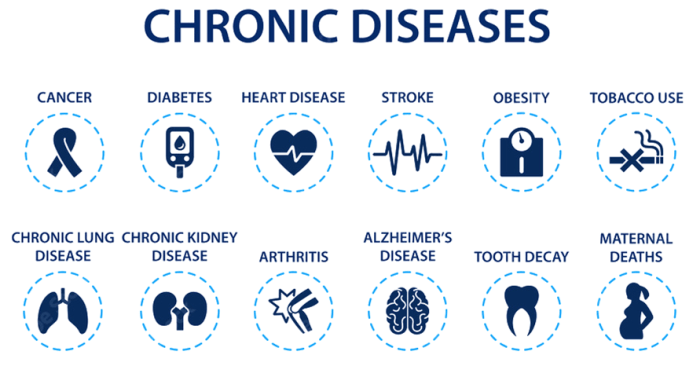
Embark on a journey through the realm of Healthcare Providers for Chronic Illness, delving into the challenges, costs, and policies that shape the landscape of healthcare for those with chronic conditions.
Explore the crucial role of healthcare providers in managing chronic illnesses and the multidisciplinary approach necessary for comprehensive care.
Healthcare Access for Chronic Illness
Individuals with chronic illnesses often face numerous challenges when trying to access healthcare services. These challenges can significantly impact the management of their conditions and overall quality of life.
Barriers to Healthcare Access for Chronic Illness Patients
- Lack of insurance coverage: Many chronic illness patients struggle to afford necessary treatments and medications due to inadequate insurance coverage.
- Long wait times: Limited availability of appointments with specialists can result in delays in receiving timely care.
- Financial constraints: High out-of-pocket costs for medical services and medications can prevent individuals from seeking necessary treatment.
- Transportation issues: Difficulty in accessing transportation to healthcare facilities can hinder regular visits for chronic illness management.
Importance of Timely Access to Healthcare Services
Timely access to healthcare services is crucial for effectively managing chronic conditions and preventing complications. Regular monitoring, timely interventions, and access to medications are essential for maintaining the health and well-being of individuals with chronic illnesses.
Healthcare Costs for Chronic Illness
Managing chronic illnesses can be financially burdensome for individuals due to the high healthcare costs involved. From regular doctor visits to expensive medications and treatments, the expenses can quickly add up, especially for those with limited financial resources.
Strategies for Managing and Reducing Healthcare Costs
- Seek out generic medications or inquire about patient assistance programs offered by pharmaceutical companies to reduce the cost of prescription drugs.
- Discuss treatment options with your healthcare provider to find more affordable alternatives without compromising on quality of care.
- Utilize community resources and support groups for chronic illness patients that may offer financial assistance or guidance on navigating the healthcare system.
- Consider enrolling in government-sponsored healthcare programs or exploring insurance options that cater specifically to individuals with chronic conditions.
Impact of High Healthcare Costs on Quality of Life
The financial strain of managing chronic illness can have a significant impact on the quality of life of patients. High healthcare costs may lead to stress, anxiety, and even depression, affecting mental well-being along with physical health. In some cases, individuals may forgo necessary medical care or treatments due to financial constraints, ultimately worsening their condition and overall quality of life.
Healthcare Providers for Chronic Illness
Chronic illnesses require a team of healthcare providers to effectively manage and treat the condition. These providers play specific roles in the care of patients with chronic diseases, ensuring a holistic approach to treatment.
Types of Healthcare Providers
There are different types of healthcare providers involved in the treatment of chronic illnesses, each bringing a unique set of skills and expertise to the table.
- Primary Care Physicians: Primary care physicians act as the first point of contact for patients with chronic illnesses. They provide preventive care, manage chronic conditions, and coordinate care with specialists.
- Specialists: Specialists, such as cardiologists, endocrinologists, rheumatologists, and others, have advanced training in specific areas of medicine. They are consulted for their expertise in managing complex chronic conditions.
- Allied Healthcare Professionals: Allied healthcare professionals, including nurses, physical therapists, dietitians, and social workers, play a crucial role in supporting patients with chronic illnesses. They provide specialized care and education to help patients manage their conditions effectively.
Role of Healthcare Providers
A multidisciplinary approach involving primary care physicians, specialists, and allied healthcare professionals is essential in managing chronic conditions effectively. Each healthcare provider has a specific role to play in providing comprehensive care for patients with chronic illnesses.
- Primary Care Physicians: Primary care physicians are responsible for diagnosing and managing chronic conditions, coordinating care with specialists, and providing preventive care to help patients maintain their health.
- Specialists: Specialists bring specialized knowledge and expertise to the treatment of chronic illnesses. They work closely with primary care physicians to develop treatment plans tailored to the specific needs of each patient.
- Allied Healthcare Professionals: Allied healthcare professionals support patients with chronic illnesses by providing specialized care, education, and resources to help them manage their conditions effectively. They play a vital role in improving the overall quality of life for patients with chronic diseases.
Health Insurance Coverage for Chronic Illness
Health insurance coverage plays a crucial role in the lives of individuals with chronic illnesses, providing them with access to necessary medical care and treatments to manage their conditions effectively.
Types of Health Insurance Plans for Chronic Condition Management
- Private Health Insurance: These plans are purchased individually or through an employer and offer a range of coverage options for chronic illness management.
- Medicare: A federal health insurance program that covers individuals aged 65 and older, as well as younger people with certain disabilities. Medicare provides coverage for chronic illness treatments and medications.
- Medicaid: A state and federally funded program that offers health coverage to low-income individuals and families. Medicaid covers a wide range of services for chronic condition management.
- Health Maintenance Organization (HMO): HMO plans require patients to choose a primary care physician and obtain referrals for specialist visits. These plans often offer comprehensive coverage for chronic illness management.
Impact of Health Insurance Policies on Access to Quality Healthcare Services
Health insurance policies significantly influence the access to quality healthcare services for chronic illness patients. Individuals with adequate insurance coverage are more likely to receive timely and appropriate medical care, including specialist consultations, diagnostic tests, and prescription medications. On the other hand, lack of insurance or insufficient coverage can lead to delayed treatment, unmet medical needs, and financial burdens on patients and their families.
Health Policies Affecting Chronic Illness Care
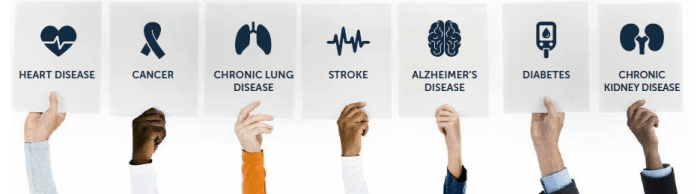
Health policies play a crucial role in shaping the management and treatment of chronic illnesses. They dictate the resources, services, and support available to individuals living with chronic conditions.
Role of Government Regulations in Chronic Illness Care
Government regulations have a significant impact on healthcare services for chronic condition patients. These regulations set the standards for quality of care, accessibility to treatments, and affordability of services for individuals with chronic illnesses.
- Government regulations ensure that healthcare providers adhere to best practices in managing chronic conditions.
- Regulations also influence the availability of necessary medications and treatments for chronic illnesses.
- Government oversight helps protect the rights of individuals with chronic conditions and ensures equal access to healthcare services.
- Regulatory measures help control healthcare costs related to chronic illness management.
Potential Improvements in Health Policies for Chronic Illness Care
There is always room for improvement in health policies to better support individuals with chronic illnesses. By addressing gaps and inefficiencies in the current system, policymakers can enhance the quality of care and outcomes for patients with chronic conditions.
- Implementing comprehensive care coordination programs to improve the continuity of care for chronic illness patients.
- Increasing funding for research and development of innovative treatments for chronic conditions.
- Expanding access to preventive care services to help manage chronic illnesses before they escalate.
- Enhancing public health education initiatives to raise awareness about chronic conditions and promote healthy lifestyles.
Electronic Health Records for Chronic Illness Management
Electronic health records (EHRs) play a crucial role in the management of chronic illnesses by providing a centralized platform for healthcare providers to access and update patient information efficiently.
Benefits of Electronic Health Records
- Improved Coordination of Care: EHRs allow different healthcare providers involved in a patient’s care to access the same up-to-date information, leading to better coordination and continuity of care.
- Enhanced Decision-Making: With EHRs, healthcare providers can easily track a patient’s medical history, medications, test results, and treatment plans, enabling them to make more informed decisions about the patient’s care.
- Efficiency and Time-Saving: EHRs streamline administrative tasks, reduce paperwork, and eliminate the need for manual data entry, saving time for healthcare providers and allowing them to focus more on patient care.
Examples of Improved Coordination of Care
- Shared Treatment Plans: EHRs enable specialists, primary care physicians, and other healthcare providers to collaborate on a patient’s treatment plan, ensuring that all parties are informed and working towards the same goals.
- Real-Time Updates: Healthcare providers can update EHRs in real-time, allowing immediate access to changes in a patient’s condition or treatment, leading to timely adjustments in care plans.
Challenges and Concerns
- Privacy and Security Risks: EHRs raise concerns about the security and privacy of patient data, as a breach in the system could lead to unauthorized access to sensitive health information.
- Interoperability Issues: Not all EHR systems are compatible with each other, creating challenges in sharing patient information across different healthcare settings and providers.
- Data Accuracy and Integrity: Ensuring the accuracy and integrity of data entered into EHRs is crucial for effective chronic illness management, as errors or incomplete information can impact patient care.
Health Screening for Chronic Illness Prevention
Regular health screenings play a crucial role in preventing and managing chronic illnesses. These screenings help in early detection, which can lead to timely interventions and better outcomes. Healthcare providers play a key role in promoting and conducting health screenings for chronic illness prevention.
Common Health Screening Tests
- Blood Pressure Measurement: Regular blood pressure checks can help detect hypertension, a common risk factor for heart disease and stroke.
- Blood Glucose Test: Screening for diabetes can help in early detection and management of this chronic condition.
- Cholesterol Test: Monitoring cholesterol levels can aid in preventing heart disease and other cardiovascular conditions.
- Colonoscopy: This screening test helps in detecting colorectal cancer early, when treatment is most effective.
- Mammogram: Women are recommended to undergo regular mammograms for the early detection of breast cancer.
Role of Healthcare Providers
Healthcare providers play a vital role in educating patients about the importance of health screenings for chronic illness prevention. They are responsible for recommending appropriate screenings based on individual risk factors and guidelines. Providers also conduct screenings, interpret results, and guide patients on necessary follow-up actions. By emphasizing the significance of regular health screenings, healthcare providers contribute significantly to the prevention and early detection of chronic illnesses.
In conclusion, navigating the complexities of healthcare for chronic illness requires a collaborative effort from various providers and policymakers to ensure access, affordability, and quality care.
Essential Questionnaire
How can healthcare providers improve access for chronic illness patients?
Healthcare providers can enhance access by offering telemedicine services, extending clinic hours, and implementing patient navigation programs.
What are some strategies to reduce healthcare costs for individuals with chronic illnesses?
Strategies include utilizing generic medications, seeking financial assistance programs, and exploring community health centers for affordable care options.
What is the role of allied healthcare professionals in managing chronic conditions?
Allied healthcare professionals, such as occupational therapists and dietitians, play a crucial role in providing holistic care and supporting patients in their treatment journey.


