Delve into the realm of Healthcare Costs for Seniors, where the financial aspects of healthcare for the elderly meet the crucial need for quality care. This discourse promises an enlightening journey through the complexities of senior healthcare expenses and access.
Explore the factors influencing costs, the strategies for saving expenses, and the vital role of insurance in securing affordable healthcare for seniors.
Healthcare Access for Seniors
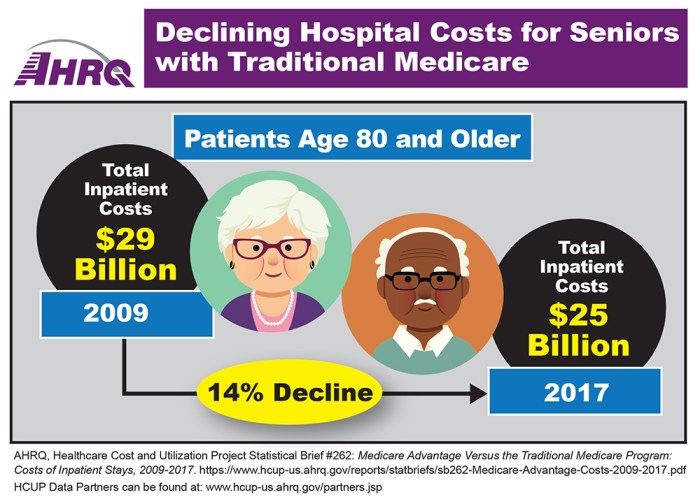
Seniors often face various challenges when it comes to accessing healthcare. These challenges can include limited mobility, financial constraints, and difficulty in navigating complex healthcare systems.Transportation services play a crucial role in ensuring seniors have access to healthcare facilities. Many seniors may not have access to reliable transportation, making it difficult for them to travel to medical appointments or pick up prescriptions.
Lack of transportation can result in missed appointments and delays in receiving necessary medical care.Telemedicine has emerged as a game-changer in improving healthcare access for seniors. Through telemedicine, seniors can consult with healthcare providers remotely, eliminating the need for physical travel to healthcare facilities. This is particularly beneficial for seniors with mobility issues or those living in remote areas. Telemedicine also offers convenience and cost savings for seniors, making healthcare more accessible and efficient for this demographic.
Healthcare Costs for Seniors
As seniors age, healthcare costs tend to increase due to various factors. Understanding these factors and exploring cost-saving measures can help seniors manage their healthcare expenses effectively.
Common Factors Contributing to High Healthcare Costs for Seniors
- Increasing prevalence of chronic conditions such as diabetes, heart disease, and arthritis
- Need for specialized care and treatments related to aging-related issues
- Rising prescription drug costs
- High costs associated with long-term care services
- Limited access to affordable healthcare options
Comparison of Out-of-Pocket Expenses for Seniors with and without Health Insurance
- Seniors with health insurance typically have lower out-of-pocket expenses compared to those without insurance.
- Insurance coverage can help reduce costs for doctor visits, prescription medications, and hospital stays.
- Seniors without insurance may face financial challenges in accessing necessary healthcare services and treatments.
Cost-Saving Measures Seniors Can Take to Manage Healthcare Expenses
- Explore Medicare options to ensure comprehensive coverage for healthcare needs.
- Utilize generic medications whenever possible to reduce prescription drug costs.
- Consider enrolling in prescription drug discount programs or seeking financial assistance for medications.
- Regularly review healthcare bills for errors or discrepancies and address them promptly.
- Discuss cost-effective treatment options with healthcare providers to optimize care while minimizing expenses.
Healthcare Providers for Seniors
Healthcare providers play a crucial role in ensuring the well-being of seniors, especially in addressing their unique healthcare needs.
Significance of Geriatric Specialists
Geriatric specialists are healthcare professionals who have specialized training in caring for older adults. They are equipped to manage the complex health issues that seniors often face, such as chronic conditions, cognitive impairments, and medication management.
Home Healthcare Providers for Seniors
Home healthcare providers offer essential support to seniors who prefer to age in place. These professionals assist with daily tasks, medication management, and provide medical care in the comfort of the senior’s home, promoting independence and quality of life.
Healthcare Services: Primary Care Physicians vs. Specialists
- Primary Care Physicians:
- Provide comprehensive care and preventive services
- Coordinate overall healthcare needs and referrals
- Manage chronic conditions and routine check-ups
- Specialists:
- Offer specialized care for specific health issues
- Provide in-depth knowledge and expertise in a particular area of medicine
- Collaborate with primary care physicians to address complex health concerns
Health Insurance Options for Seniors
As seniors navigate the complex healthcare system, it is essential to understand the different health insurance options available to them. Here, we will explore the various types of health insurance that seniors can consider for their healthcare needs.
Medicare
- Medicare is a federal health insurance program primarily for individuals aged 65 and older, as well as certain younger individuals with disabilities.
- It consists of different parts, including Part A (hospital insurance), Part B (medical insurance), Part C (Medicare Advantage), and Part D (prescription drug coverage).
- Medicare provides coverage for a wide range of medical services, but it may not cover all costs, leaving some coverage gaps for seniors.
Medicaid
- Medicaid is a joint federal and state program that helps with medical costs for individuals with limited income and resources, including many seniors.
- Eligibility and benefits vary by state, but Medicaid can provide coverage for services not covered by Medicare, such as long-term care.
- Seniors who qualify for both Medicare and Medicaid (dual-eligible) may receive additional benefits and cost savings.
Private Insurance
- Seniors can also opt for private health insurance plans offered by commercial insurance companies, employer-sponsored plans, or health insurance marketplaces.
- These plans may provide additional coverage options, such as vision, dental, and alternative medicine services, beyond what Medicare offers.
- However, private insurance plans can be more expensive than Medicare and may have stricter eligibility requirements.
Medicare Advantage Plans
- Medicare Advantage plans, also known as Medicare Part C, are offered by private insurance companies approved by Medicare.
- These plans provide all Part A and Part B benefits and often include additional benefits like vision, dental, and prescription drug coverage.
- While Medicare Advantage plans can offer comprehensive coverage, they may have network restrictions and out-of-pocket costs that vary by plan.
Supplemental Insurance
- Supplemental insurance, also known as Medigap, is private insurance that helps cover the “gaps” in Medicare coverage, such as copayments, coinsurance, and deductibles.
- Seniors can purchase a Medigap policy to supplement their Original Medicare coverage and reduce out-of-pocket expenses for covered services.
- Having supplemental insurance can provide financial protection and peace of mind for seniors facing unexpected healthcare costs.
Health Policies Impacting Seniors
As healthcare policies evolve, seniors are significantly impacted by changes that affect their access to care and costs. Let’s delve into recent updates and their implications for the elderly population.
Prescription Drug Coverage for Seniors
One of the key aspects of healthcare policy changes for seniors is the impact on prescription drug coverage. With shifts in policies related to Medicare Part D and other programs, seniors may experience changes in formularies, copayments, and coverage limitations.
Medicaid Eligibility Criteria for Low-Income Seniors
Changes in Medicaid eligibility criteria have a direct impact on low-income seniors’ access to healthcare. Alterations in income thresholds, asset limits, and enrollment processes can either expand or restrict the number of seniors who qualify for Medicaid benefits.
Health Records Management for Seniors
Health records management is crucial for seniors to ensure they receive the best possible care from their healthcare providers. Electronic health records (EHRs) play a vital role in this process by providing a centralized and easily accessible source of information for healthcare professionals.
Importance of Electronic Health Records
- Electronic health records allow healthcare providers to quickly access a patient’s medical history, medications, allergies, and test results, leading to more informed decision-making.
- EHRs facilitate communication between different healthcare providers involved in a senior’s care, promoting care coordination and reducing the risk of medical errors.
- Having digital health records also enables seniors to actively participate in their healthcare decision-making process, as they can easily review and understand their medical information.
Challenges in Managing Health Records
- Seniors may face challenges in managing their health records due to technological barriers, such as lack of familiarity with digital platforms or difficulty navigating electronic systems.
- Maintaining the security and privacy of electronic health records can be a concern for seniors, especially with the increasing risk of data breaches and cyber threats.
- Keeping health records organized and up-to-date can be overwhelming for seniors, particularly if they have multiple healthcare providers or complex medical conditions.
Digital Health Platforms for Organizing Health Information
- Digital health platforms offer user-friendly interfaces and tools that can help seniors and their caregivers manage health records more efficiently, such as medication trackers, appointment reminders, and symptom journals.
- These platforms often provide secure storage for electronic health records, ensuring that sensitive information is protected and easily accessible when needed.
- By leveraging digital health platforms, seniors can take control of their health information, track their progress, and communicate effectively with their healthcare team, ultimately leading to better health outcomes.
Health Screening for Seniors
Regular health screenings are crucial for seniors to maintain their well-being and detect any potential health issues early on. These screenings can help in preventing serious health complications and ultimately reduce healthcare costs for seniors.
Essential Health Screenings for Seniors
- Blood pressure checks: Regular monitoring of blood pressure levels can help prevent heart disease, stroke, and other related conditions.
- Cholesterol screenings: Checking cholesterol levels can aid in preventing heart disease and stroke.
- Bone density tests: These tests help in detecting osteoporosis early and prevent fractures.
- Colorectal cancer screenings: Regular screenings can help in early detection and treatment of colorectal cancer.
Importance of Preventive Screenings in Reducing Healthcare Costs
Preventive screenings can detect health issues at an early stage, making treatment more effective and less costly in the long run.
Early Detection of Health Issues in Seniors
- Regular screenings can help identify health problems before they progress to a more serious stage.
- Early detection of conditions like diabetes, cancer, and osteoporosis can lead to better outcomes and lower healthcare expenses.
In conclusion, Healthcare Costs for Seniors underscores the importance of financial planning and healthcare coverage in ensuring the well-being of our elderly population. Navigating these costs and access challenges can be daunting, but with the right knowledge and resources, seniors can lead healthy and fulfilling lives.
FAQ Section
What are some common cost-saving measures for seniors managing healthcare expenses?
Seniors can consider generic medications, use preventive care services, and explore community health resources to reduce healthcare costs.
How do Medicare Advantage plans benefit seniors compared to traditional Medicare?
Medicare Advantage plans often offer additional benefits like dental and vision coverage, potentially lowering out-of-pocket costs for seniors.